

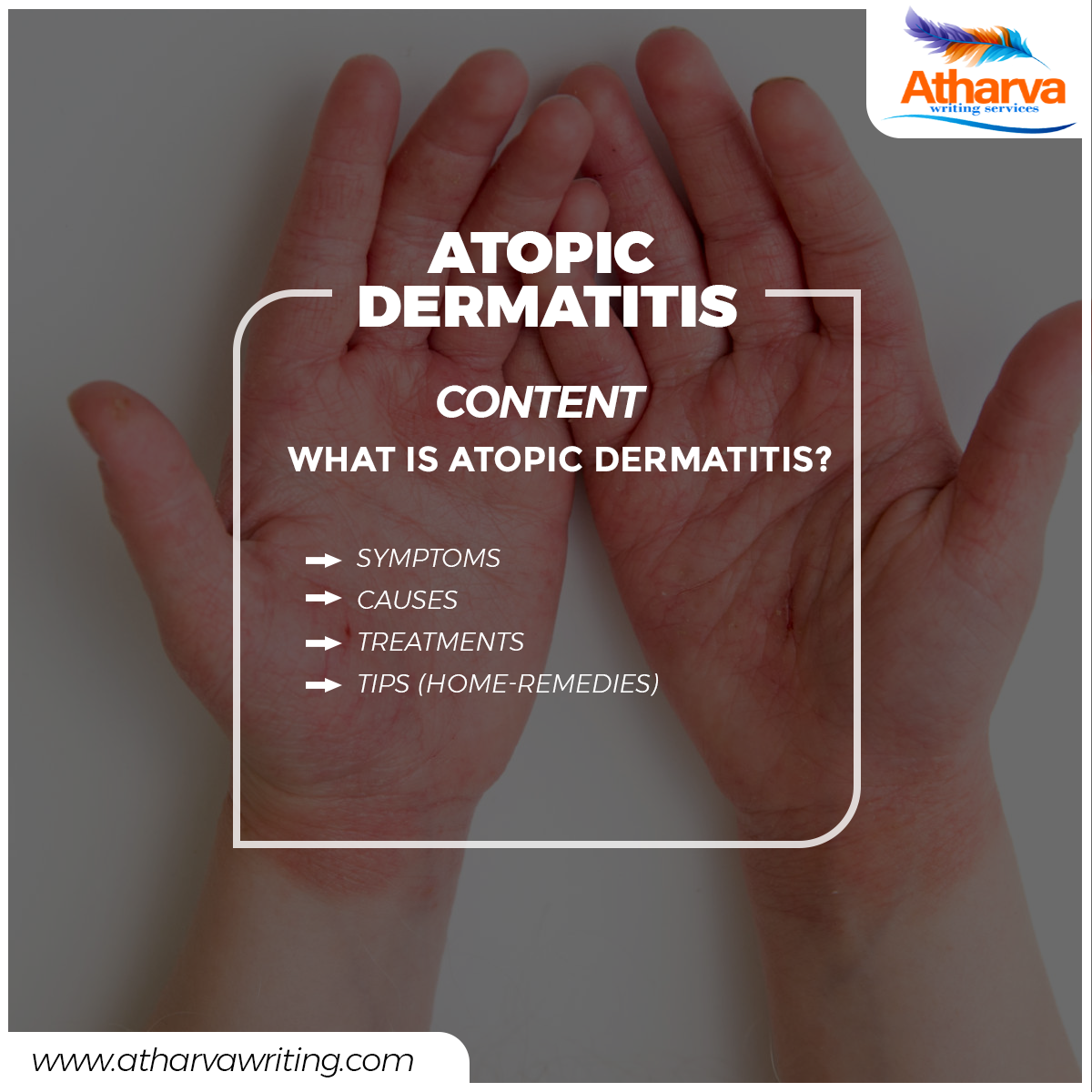
What is Atopic Dermatitis?
Atopic dermatitis (AD) is a skin disorder that produces irritation and redness. Atopic dermatitis is common in youngsters, although it can occur at any age and affects a considerable number of adults. AD flares up at random and can be triggered by other conditions such as asthma or roughage fever. There is no known cure for Alzheimer’s disease. Medication and self-care techniques, on the other hand, can reduce tingling and prevent new attacks.
AD typically affects the face (cheeks), neck, arms, and legs, but not the crotch or axillary regions. AD is associated with an increase in immunoglobulin E levels (IgE). The “atopic walk” idea indicates that AD creates a movement that may encourage unfavorable susceptible sickness at epithelial surfaces. AD is the primary disease presented in a progression of hypersensitive illnesses including food sensitivity, asthma, and susceptible rhinitis.
Atopic dermatitis symptoms:
- Dry skin- It makes the skin irritated, dry, broken, and sore. Certain individuals just show minor symptoms of dry skin, however, others might encounter dry skin all over the body.
- Tingling sensation- The tingling sensation in the body might be extreme, particularly in the evening time
- Red dark patches – The colored patches appear on hands, feet, lower legs, wrists, neck, upper chest, eyelids, inside the twist of the elbows and knees, and in newborn children, they appear on the face and scalp
- Little raised bumps- These bumps release liquid and spill all over when scratched
- Thickened broken, flaky skin
Atopic dermatitis in children frequently starts before age 5 and may continue into adulthood. For certain individuals, it flares occasionally and afterward clears up for a while.
Atopic Dermatitis Causes:
Atopic dermatitis is caused by a combination of variables, including heredity, stress, immunological activation, and environmental triggers. Individuals with Atopic dermatitis have extremely dry skin that cannot contain a lot of moisture. Because of the dryness, the skin reacts to specific triggers, becoming irritable and sore. Because of their ancestors’ DNA, some newborns have a high chance of treating Atopic dermatitis. According to research, children who have one or two AD parents or who have typical skin with skin inflammation are more likely to get AD because AD is not contagious, it cannot be transferred through intimate contact.
Atopic Dermatitis Treatment
The fundamental medicines for atopic dermatitis are:
- Emollients (creams) – utilized each day to stop the skin from becoming dry and avoid white spots on the skin.
- Skin corticosteroids – creams and treatments used to diminish enlarging and redness during eruptions
Emollients
Emollients are medicines applied directly to the skin to reduce moisture loss and cover it with a defensive film. They’re frequently used to moisturize dry or flaky skin conditions, for example, atopic dermatitis. Emollient cream or emollient lotion makes the skin feel less dry, have a gentle calming effect, and reduces the number of eruptions you have.
Other Atopic dermatitis treatment includes:
- Allergy medicines for extreme tingling
- Wraps or unique bodysuits to keep the body safe
- All the medicines prescribed by a dermatologist (skin trained professional)
Along with all the medicines referenced above, there are things you can do on your own to assist in reducing manifestations and prevent further spread.
How to lessen the harm from scratching?
Scratching should be reduced wherever possible. Dermatitis is frequently irritating, and it causes an intense desire to scratch the affected areas of the skin. Scratching causes skin damage and can aggravate dermatitis symptoms. Scratching causes the skin to thicken. Scratching can be reduced by regularly hydrating with bath oils and creams. Itching can be relieved using an over-the-counter hydrocortisone cream with a minimum dosage of 1%. Try not to scratch the surface, and if you are unable to suppress the itch, try pushing the skin.
- Keep your nails short and tidy to avoid unintentional scratching.
- Keep your skin covered with light clothing to reduce itchy symptoms.
- Stay away from potential triggers. A doctor will work with you to determine what is causing the itching. When you know what your triggers are, you can try to avoid them.
Conclusion
In this blog, we have dug a little deeper about Atopic Dermatitis with fewer words and more meaning under the guidance of professionals. From making you aware of the disease/condition to what things you can do and how to tackle it. If you didn’t find any relief do consult a doctor as early as possible.
Do you want more information about this type of medical issue or something related to writing? Add us to your bookmarks and subscribe to us. Seeya!
 Dr Ankita Gupta