

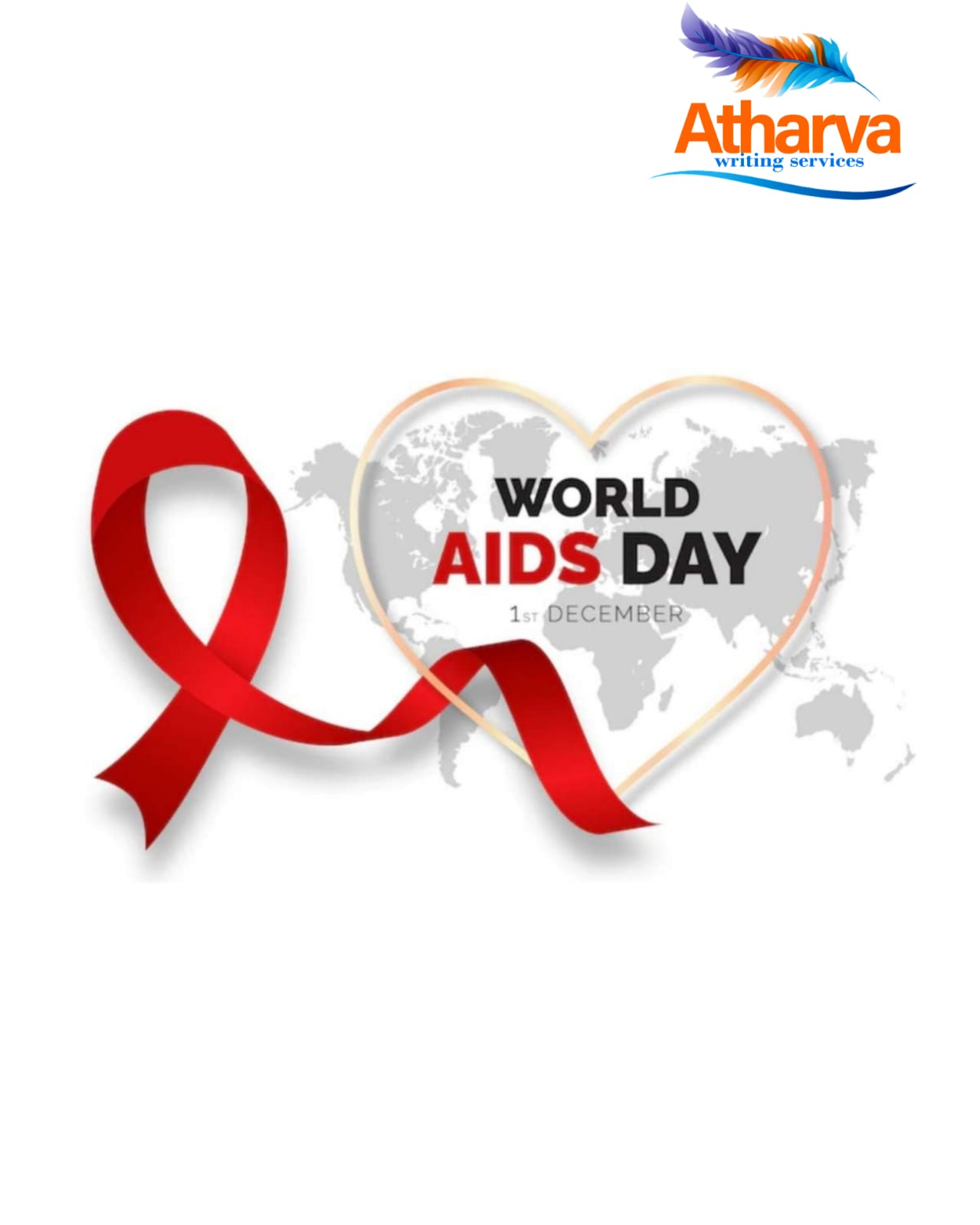
Hey there, readers! Today is World AIDS Day, and we’re here to chat about something important – AIDS.
It’s a day to raise awareness, show support, and break down the walls of stigma surrounding this topic.
So, grab a cup of coffee or tea, and let’s have a friendly conversation about what AIDS is and how we can make a difference.
Understanding HIV/AIDS:
Human Immunodeficiency Virus (HIV) is a virus that attacks the immune system, our body’s defense against infections. When the immune system weakens, it becomes difficult for the body to fight off illnesses and infections. Acquired Immunodeficiency Syndrome (AIDS) is the final stage of HIV infection when the immune system is severely damaged.
How HIV Spreads:
HIV is primarily transmitted through certain body fluids like blood, semen, vaginal fluids, rectal fluids, and breast milk from a person who has HIV. The most common ways HIV is spread include:
- Unprotected Sex: Engaging in sexual activities without using a condom with an infected partner can lead to HIV transmission.
- Sharing Needles: Sharing needles and syringes for drug use can expose individuals to HIV if one of the users is infected.
- Mother to Child Transmission: An HIV-positive mother can transmit the virus to her baby during childbirth, breastfeeding, or during pregnancy.
- Blood Transfusion and Organ Transplants: Although rare now due to stringent screening processes, HIV transmission can occur through blood transfusions or organ transplants from an infected donor.
- Occupational Exposure: Healthcare workers may be at risk if they come into contact with HIV-infected blood or other body fluids.
Myths and Facts:
Unfortunately, HIV/AIDS is surrounded by numerous myths that contribute to stigma and discrimination. Let’s bust some of these myths with the power of facts:
- Myth: You can get HIV from casual contact.
- Fact: HIV is not spread through hugging, shaking hands, sharing utensils, or casual contact. It requires direct exposure to certain body fluids.
- Myth: HIV only affects certain groups of people.
- Fact: HIV can affect anyone, regardless of age, gender, sexual orientation, or socioeconomic status.
- Myth: You can tell if someone has HIV by their appearance.
- Fact: You cannot determine if someone has HIV based on their looks. HIV can affect anyone, and many people with HIV lead healthy lives with proper treatment.
- Myth: HIV can be cured by alternative therapies or natural remedies.
- Fact: Currently, there is no cure for HIV. Antiretroviral therapy (ART) is the standard treatment that helps manage the virus and allows individuals with HIV to lead healthy lives.
- Myth: Condoms are not effective in preventing HIV transmission.
- Fact: Correct and consistent use of condoms is a highly effective way to reduce the risk of HIV transmission during sexual activity.
Hope on the Horizon:
The medical community has made tremendous strides in managing HIV/AIDS and improving the quality of life for those affected. Antiretroviral therapy (ART) has been a game-changer, helping people with HIV live longer and healthier lives. Additionally, pre-exposure prophylaxis (PrEP) is available for individuals at high risk of HIV to prevent infection.
Moreover, early detection and treatment play a crucial role in managing HIV. Regular testing, especially for individuals at higher risk, can lead to early diagnosis and timely intervention.
Ending Stigma:
One of the biggest challenges in the fight against HIV/AIDS is the persistent stigma and discrimination that surrounds it. Stigma can prevent people from getting tested, seeking treatment, or disclosing their HIV status. It’s essential to recognize that HIV is a medical condition, not a moral judgment.
Education and awareness are powerful tools to combat stigma. By understanding how HIV is transmitted and adopting a non-judgmental attitude, we can create an environment where individuals feel supported and encouraged to seek help.
Community Involvement:
AIDS Day is not only a time for reflection but also for action. Getting involved in community initiatives, supporting organizations working towards HIV prevention and treatment, and advocating for policies that reduce stigma are ways we can contribute to the global effort to end HIV/AIDS.
Conclusion:
As we celebrate AIDS Day, let’s remember that our collective actions, big and small, contribute to the ongoing fight against HIV/AIDS.
By understanding the basics, dispelling myths, embracing hope, and fostering a compassionate and inclusive society, we move one step closer to a world without HIV/AIDS.
Let’s stand united, spread awareness, and work towards a future where no one has to fear or face discrimination due to their HIV status. Happy AIDS Day!
 Dr Ankita Gupta