

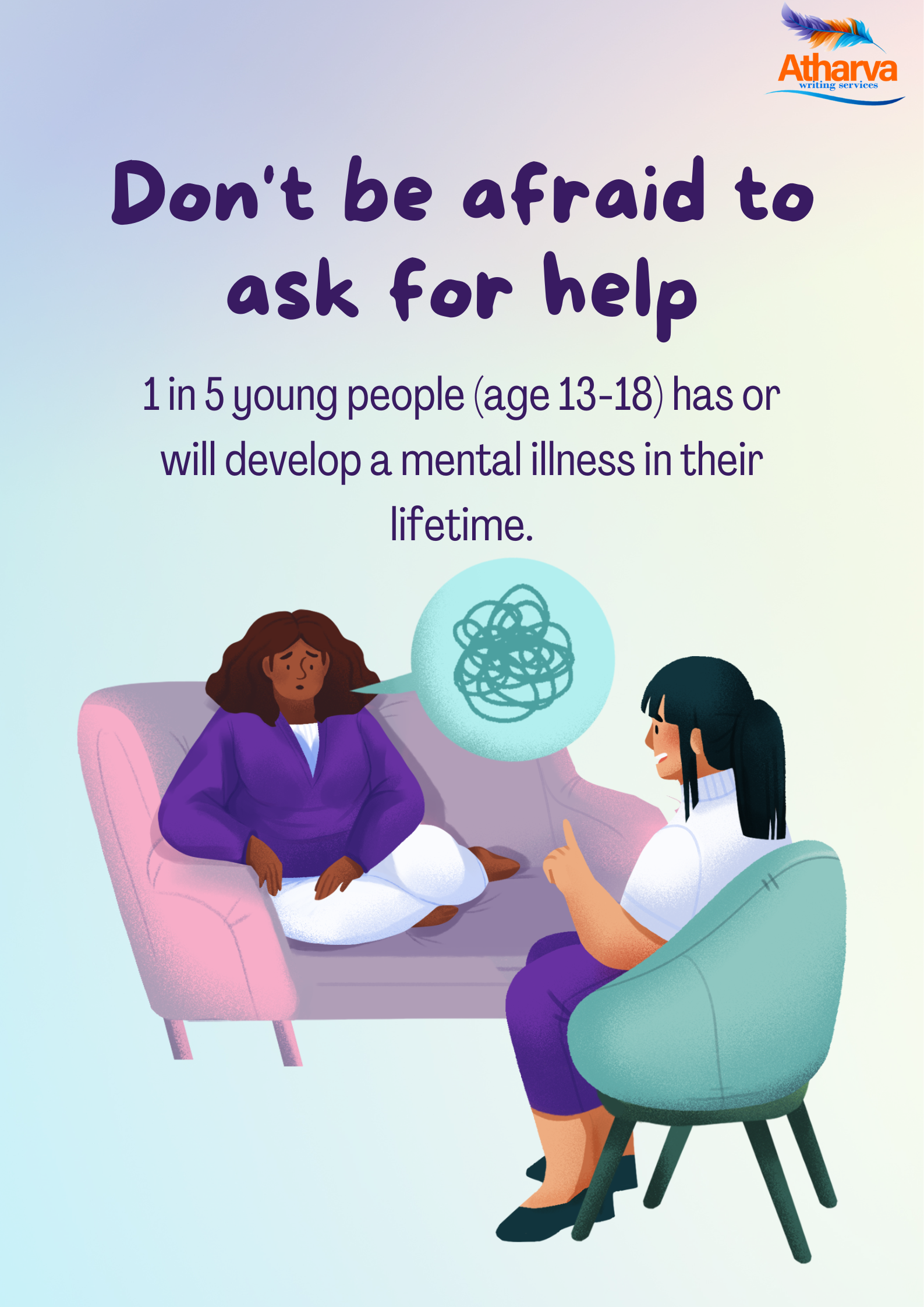
When you’re depressed, you may feel like the world is against you. You may have trouble focusing on things you used to enjoy, and you might find yourself sleeping more than usual. If this sounds familiar, here are some things that can help. Talk about your feelings. Talking about your feelings can be hard because of the stigma around mental health issues, but it’s important to keep talking about how you’re feeling so that you can get through it.
Everyone needs to take care of their mental health, everywhere. Worldwide, there are large unmet needs in the area of mental health, but there are few and insufficient solutions. The WHO published its most thorough assessment of worldwide mental health since the year 2000 on June 17th, 2022. One billion people worldwide, including 14% of teenagers, were coping with mental illness in 2019. More than one in every 100 persons die by suicide, with 58% of suicides happening before the age of 50. One out of every six years of disability is attributable to mental disorders, which constitute the main cause of disability. People with serious mental diseases typically pass away 10 to 20 years sooner than the general population, mostly due to preventable causes. There are a variety of ailments that are classified as mental illnesses, including:
Anxiety disorders: People with anxiety disorders experience fear and dread in response to certain things or circumstances, as well as physical indications of anxiety or panic, such as a racing heart and sweating. This is identified if a person’s reaction is inappropriate for the scenario, if the individual is unable to regulate their reaction, or if the anxiety interferes with regular functioning. Generalized anxiety disorder, panic disorder, social anxiety disorder, and specific phobias are all part of this category.
Depression: This is a mental condition marked by a decrease in mood, a loss of interest and enjoyment, and a decrease in energy. It’s not only that you’re sad. Depression manifests itself in a variety of ways and manifests itself in a variety of ways. Depression manifests itself in a variety of ways, with different levels of intensity and symptoms. Suicidal thoughts or behaviors can be exacerbated by depressed symptoms.
Mood disorders: Often known as affective disorders are characterized by chronic feelings of despair, times of excessive happiness, or swings from intense happiness to extreme sadness. Depression, bipolar disorder, and cyclothymic disorder are the most common mood disorders.
Dissociation and dissociative disorders: These are two terms that are used interchangeably. Dissociation is a mental state in which a person loses touch with his or her thoughts, feelings, memories, or sense of self. Dissociative amnesia, dissociative fugue, depersonalization disorder, and dissociative identity disorder are examples of dissociative disorders.
Psychotic disorders: These are characterized by altered consciousness and thought. Hallucinations are the perception of unreal pictures or sounds, such as hearing voices and delusions are incorrect fixed beliefs that the ill person accepts as true despite evidence to the contrary. These are two of the most common symptoms of psychotic diseases. A psychotic disorder such as schizophrenia is an example.
Obsessive-compulsive disorder (OCD): It is a type of anxiety condition. Obsessions are invasive and unwanted recurring thoughts, visions, or impulses. Compulsions are time-consuming and painful rituals that are repeated again and over again. Cognitive behavior therapy (CBT) and medicines are used as treatments.
Eating disorders: This is characterized by severe weight and food-related emotions, attitudes, and behaviors. The most common eating disorders are anorexia nervosa, bulimia nervosa, and binge eating disorder.
Paranoia: This is the unreasonable and persistent belief that others are attempting to harm you. Paranoid personality disorder, delusional (paranoid) disorder, and schizophrenia are among the disorders that can cause paranoia. Medications and psychological support are used to treat paranoia.
Factitious diseases: These are conditions in which a person deliberately and purposefully manufactures or complains of bodily and/or emotional symptoms to portray themselves as a sufferer or someone in need of assistance.
Schizophrenia: It is a psychotic condition that causes disruptions in thinking and emotions as well as a distorted perspective of reality. Hallucinations, delusions, mental disorders, social disengagement, lack of desire, and impaired thinking and memory are some of the symptoms of schizophrenia. Suicide is a significant danger for people with schizophrenia. Schizophrenia is not the same as having two personalities. Sexual and gender disorders refer to problems with sexual desire, performance, and behavior. Sexual and gender disorders include sexual dysfunction, gender identity disorder, and paraphilias.
Post-traumatic stress disorder (PTSD): PTSD is a condition that can develop after a traumatic and/or distressing incident, such as a sexual or physical attack, the untimely death of a loved one, or a natural disaster. People with PTSD are typically emotionally numb and have persistent and frightening thoughts and memories of the event.
Sexual and gender disorders: This refers to problems with sexual desire, performance, and behavior. Sexual and gender disorders include sexual dysfunction, gender identity disorder, and paraphilias.
Tic disorder: This is characterized by the production of repetitive, fast, sudden, and/or uncontrollable noises or non-purposeful body movements. (Vocal tics are sounds that are made involuntarily.) A tic disorder such as Tourette’s syndrome is an example.
WHO’s five key facts about mental illness:
- 1 in every 8 people in the world lives with a mental disorder
- Mental disorders involve significant disturbances in thinking, emotional regulation, or behavior
- There are many different types of mental disorders
- Effective prevention and treatment options exist
- Most people do not have access to effective care
How do identify mental health problems?
Depending on the diagnosis, circumstances, and other factors, the signs and symptoms of mental illness might vary. Emotions, beliefs, and behaviors can all be affected by mental disease symptoms.
Feeling sad or down, confused thinking, limited ability to focus, excessive anxieties or worries, strong feelings of guilt, and extreme mood shifts of highs and lows, are some of the signs and symptoms. Withdrawal from friends and hobbies is a common symptom of depression. Delusions, paranoia, or hallucinations, as well as significant weariness, low energy, or sleeping issues, inability to deal with day-to-day issues or stress, problems with alcohol or drugs, significant changes in dietary patterns, sex drive changes, excessive anger, aggression, or violence, and suicidal ideation, are all other common indicators of mental illness. Physical difficulties such as stomach pain, back pain, headaches, or other inexplicable aches and pains can sometimes be pointers to a mental health disorder.
Why do mental health problems need to be addressed?
Stigma, which is widespread in both the general public and the medical community, is a major impediment to better mental health services and self-care. It can be found in people’s homes, schools, businesses, communities, and even the mental health treatment system. People will often opt to suffer from mental anguish without receiving treatment rather than risk discrimination and alienation if they seek mental health treatment. Low rates of detection of mental health disorders in basic care are largely due to stigma among primary care physicians.
Stigma causes social isolation and prejudice, which influence a person’s capacity to earn a living, have a voice, receive adequate care, participate in their society, and recover from mental illness. People with mental illnesses are regularly isolated from community life and denied basic rights all around the world. They are also discriminated against in the workplace, in schools, and housing. Stigma and prejudice can have a negative influence on mental health and make it more difficult for people to recover.
Consult a primary health care provider or a mental health professional if there are any indications or symptoms of a mental illness. Most mental diseases do not improve on their own, and if left untreated, they can worsen over time and lead to significant consequences.
What are the different types of therapies for mental illnesses?
Treatment is determined by the type of mental disorder you have and its severity. You and your doctor will devise a treatment plan that is unique to you. It usually entails some form of treatment. You may also take prescription medications. Some people require social support as well as information on how to manage their disease.
In other circumstances, more intensive treatment is required. The patient may need to be admitted to a psychiatric facility. This could be due to the severity of your mental disorder. It could also be because the patient is putting you or someone else in danger. He or she will get counseling, group discussions, and activities with mental health specialists and other patients while in the facility.
Ways to overcome mental illness and disorders
It is not easy to handle worry and anxiety. Many people experience it at some point in their lives. However, it can have a big impact on your life and cause a lot of frustration.
How do you deal with mental disorders like anxiety or stress? There are many ways to reduce the symptoms and get back on track with your life.
Here are some tips to help you cope with mental disorders:
- Talk to someone you trust about your feelings of anxiety or stress
- Get enough sleep – this is especially important if you’re having trouble sleeping due to stress or anxiety.
- Exercise regularly – exercise releases endorphins (the “happy” hormones) which help reduce anxiety and stress.
- Try an alternative medicine such as yoga or meditation – these can help reduce symptoms of depression and anxiety.
- Take care of yourself physically. Eat well, exercise regularly, and get enough sleep every day — even if that means getting up earlier than usual to do so!
- Get professional help. Talking to professionals can favor the recovery of your mental health and aids a healthy boost for your overall health as well.
Conclusion:
If you have a mental disorder, it can be difficult to deal with. You may feel ashamed or embarrassed, or you might not be able to tell anyone about your problems. You might also feel frustrated, angry, or sad. Some people feel scared and confused by these feelings.
The good news is that there are many ways to cope with mental disorders. And in this article, we helped you to provide a complete overview of mental illness along with some remedies and ways that can help you better. You’re not alone. You are stronger. You are enough.
 Dr Ankita Gupta